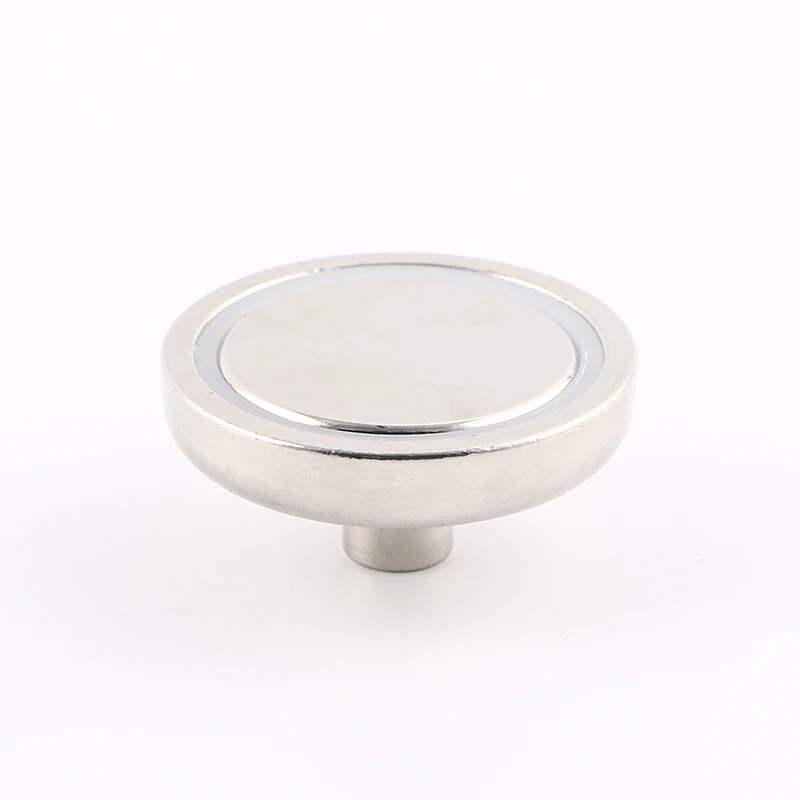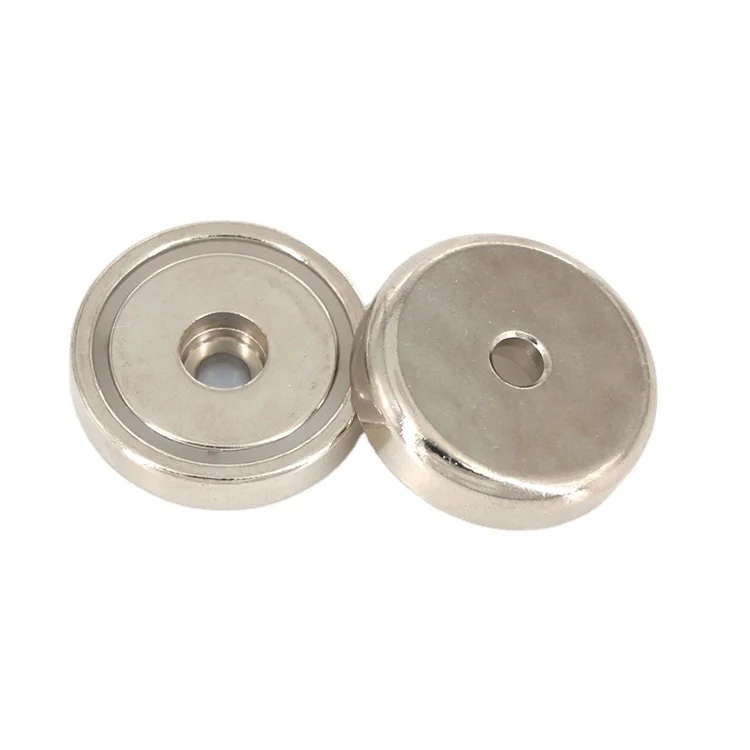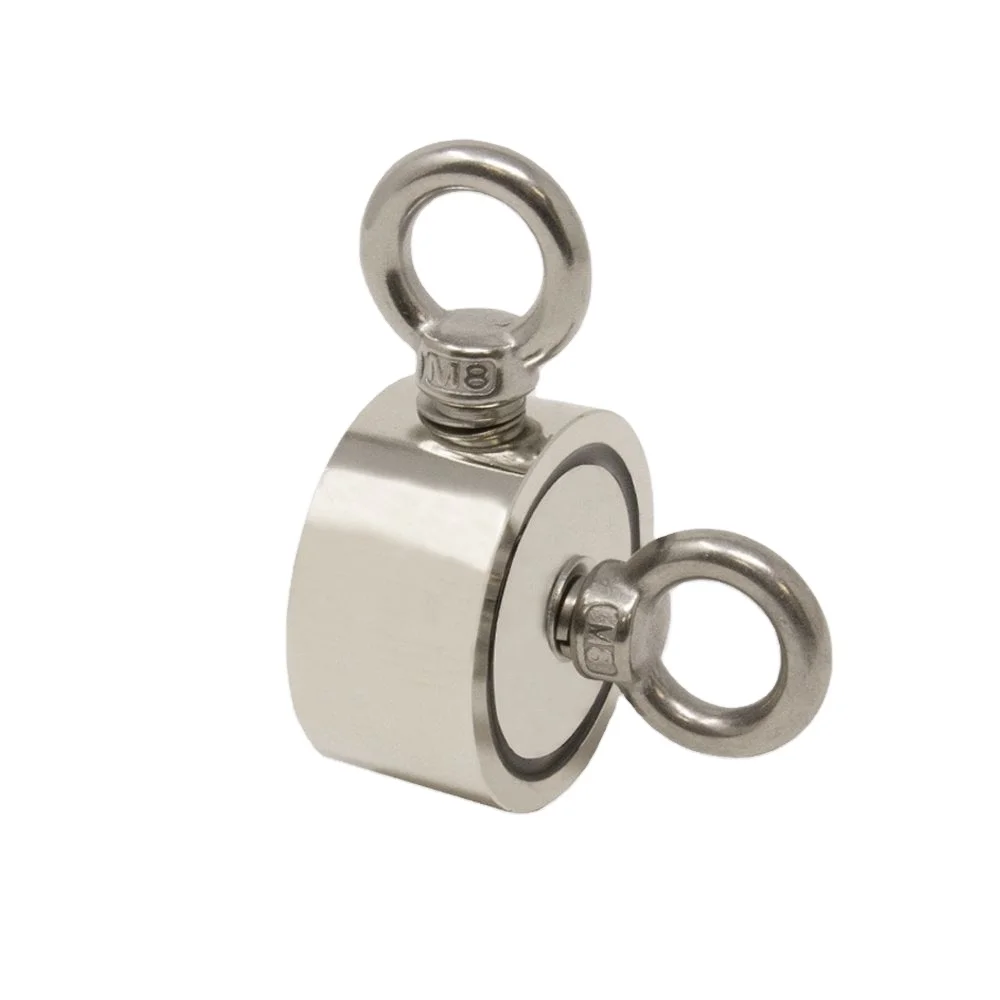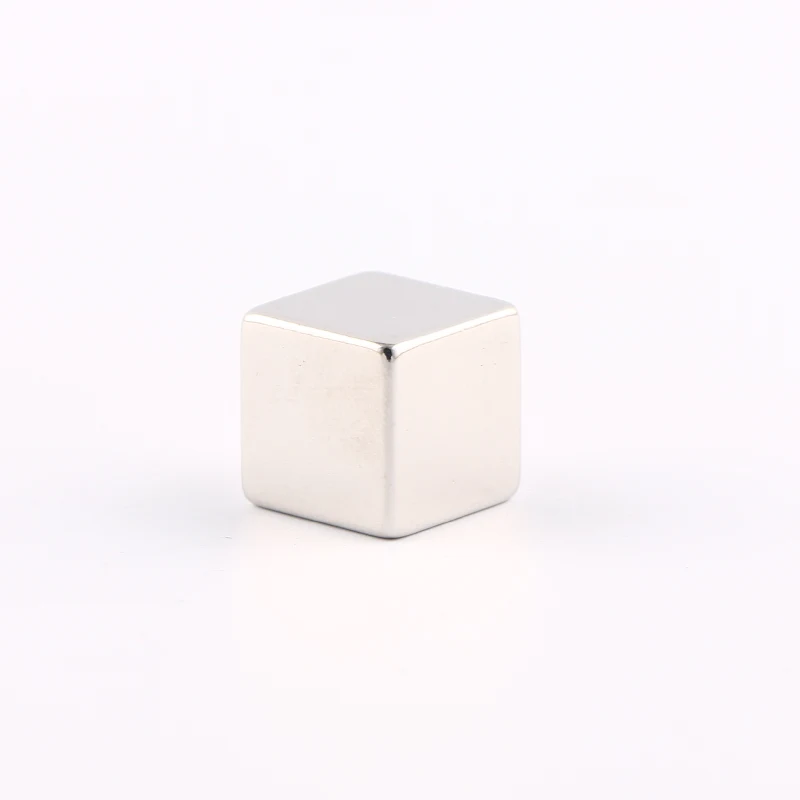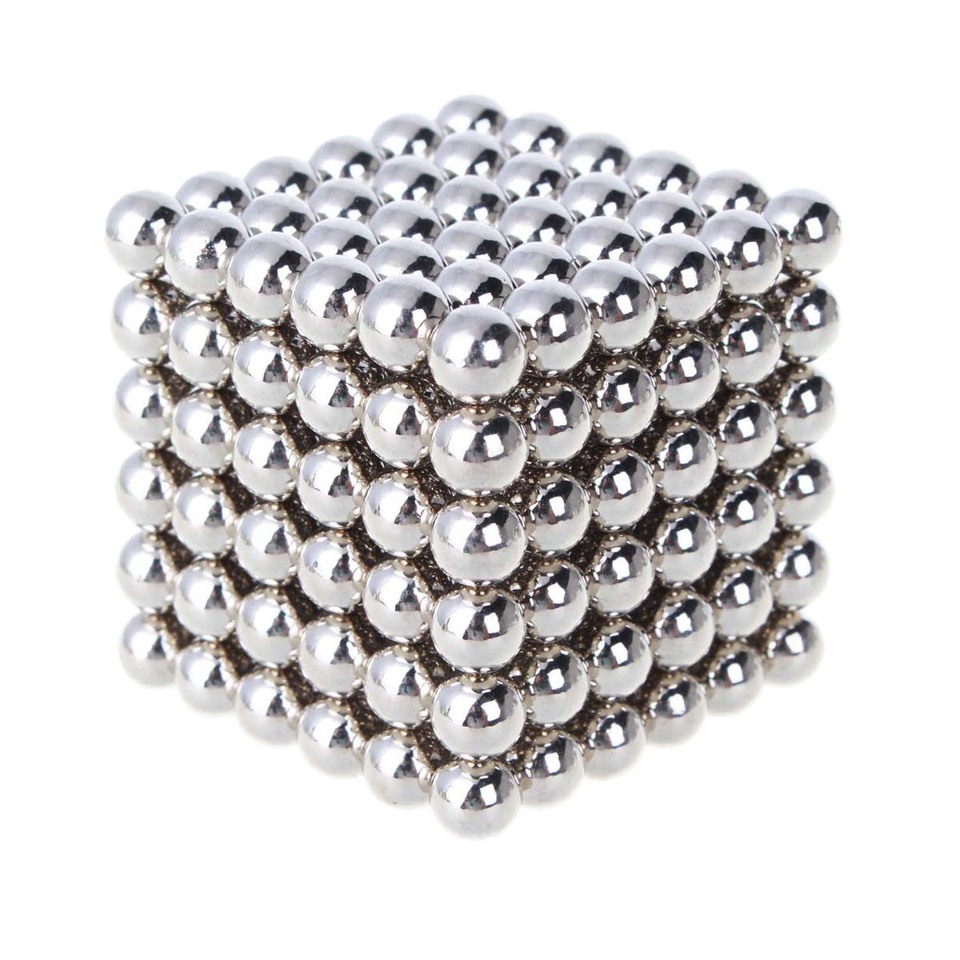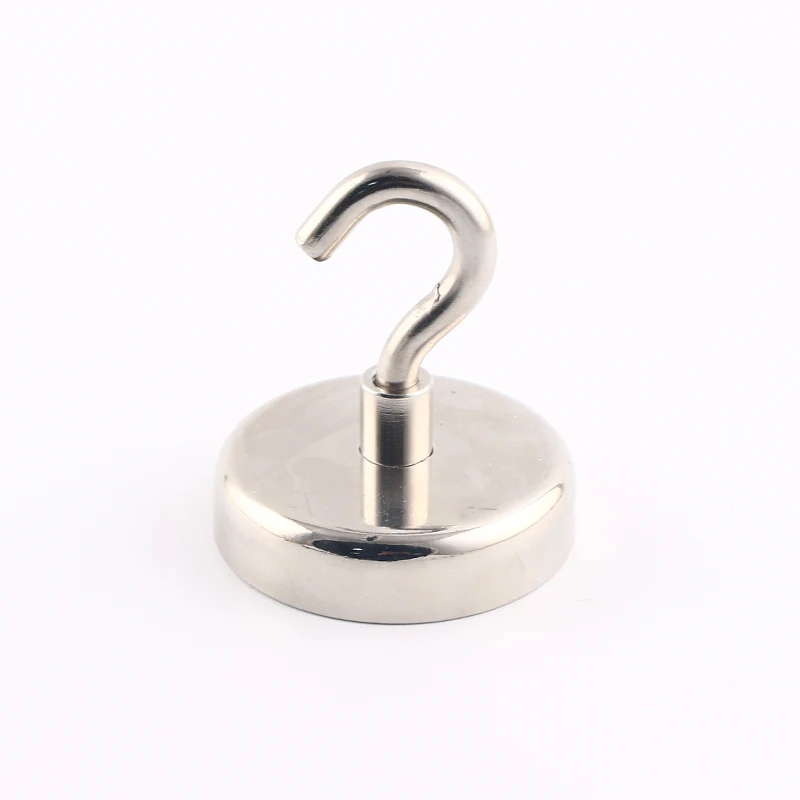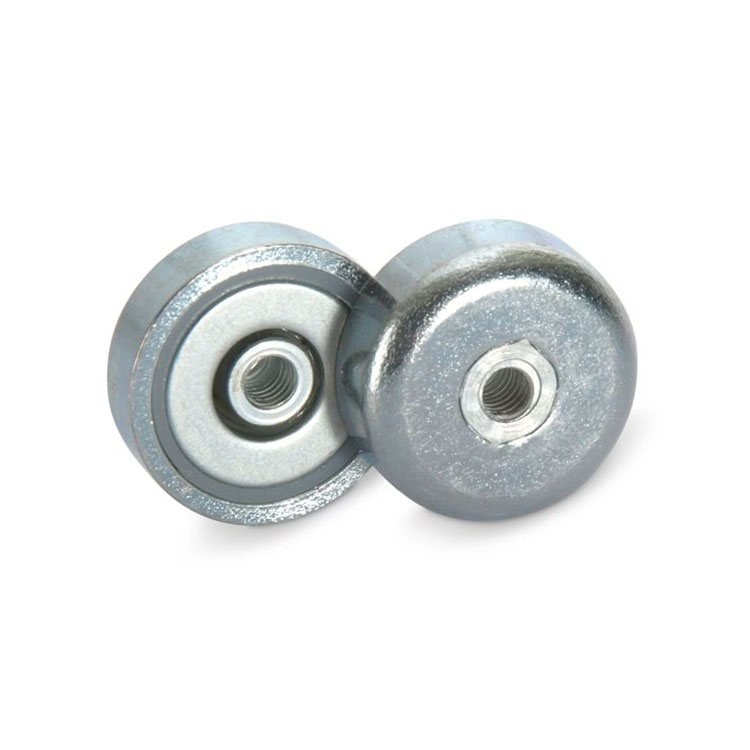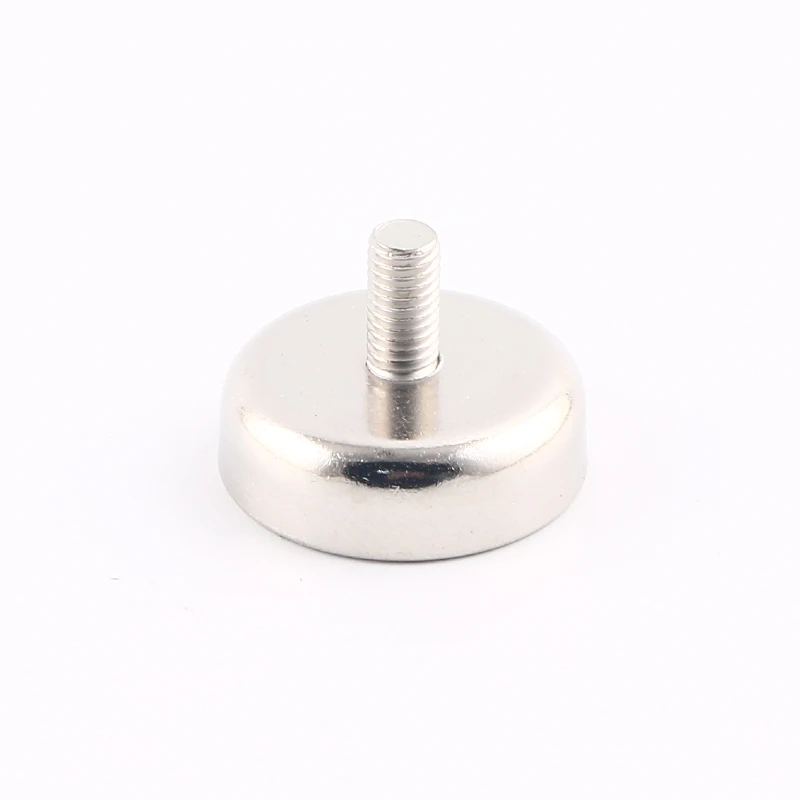
Magnetic rods are special tools that can attract certain types of metals. They tend to be long and thin and are constructed from substances such as iron, nickel and cobalt. These metals have the ability to draw other metal objects to themselves. You know when you get a magnet close to some piece of metal, like the staple in your favorite (junk mail) coupon, and it flies up to the magnet and sticks to it and it’s just like magic?
It is in the minuscule bits called atoms that the magical properties of magnetic name badgess reside. Atoms are the little building blocks of everything around us, even metals. In magnetic materials, such as the substances that make up magnetic rods, the atoms are all lined up in a way that generates a magnetic field. That magnetic field is what allows the rod to pull in other metal objects. It’s like there’s an invisible force drawing things together!
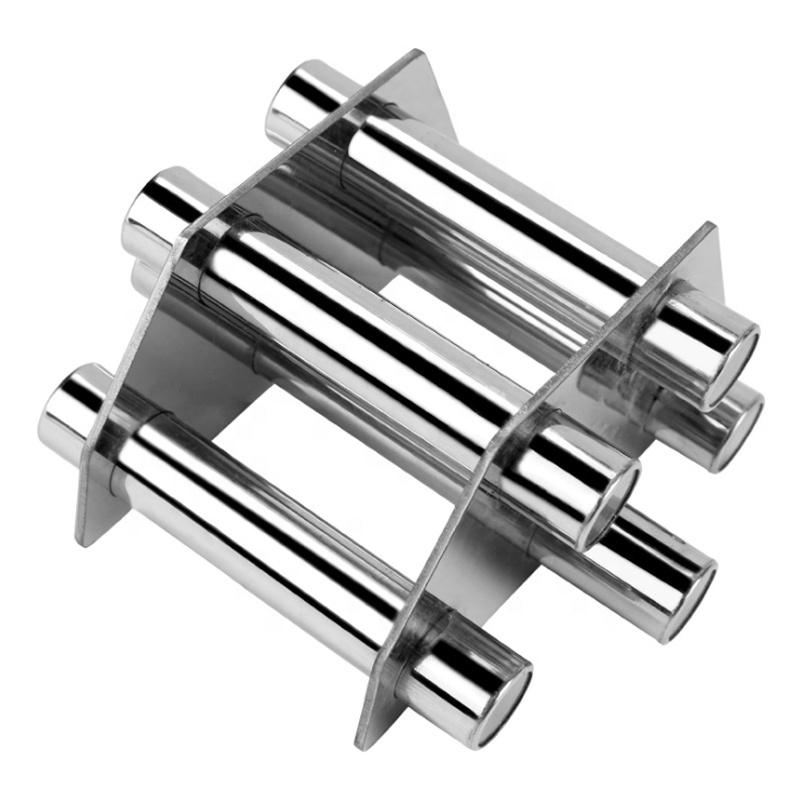
We rely on magnet bars to accomplish all sorts of tasks in our day to day lives. A common application is in kitchens, where they can be placed on shelves as well as mounted on the inside of a cabinet door to keep utensils and knives off work surfaces and prevent them from rattling around, the knife rack with a high strength magnet, can hold knives firmly. They’re also found in toys, from magnetic building blocks that can form all kinds of fun shapes. Magnetic rods are commonly used in schools for science experiments that demonstrate how magnetism functions. When you have so many uses for them, magnetic rods are a handy resource!
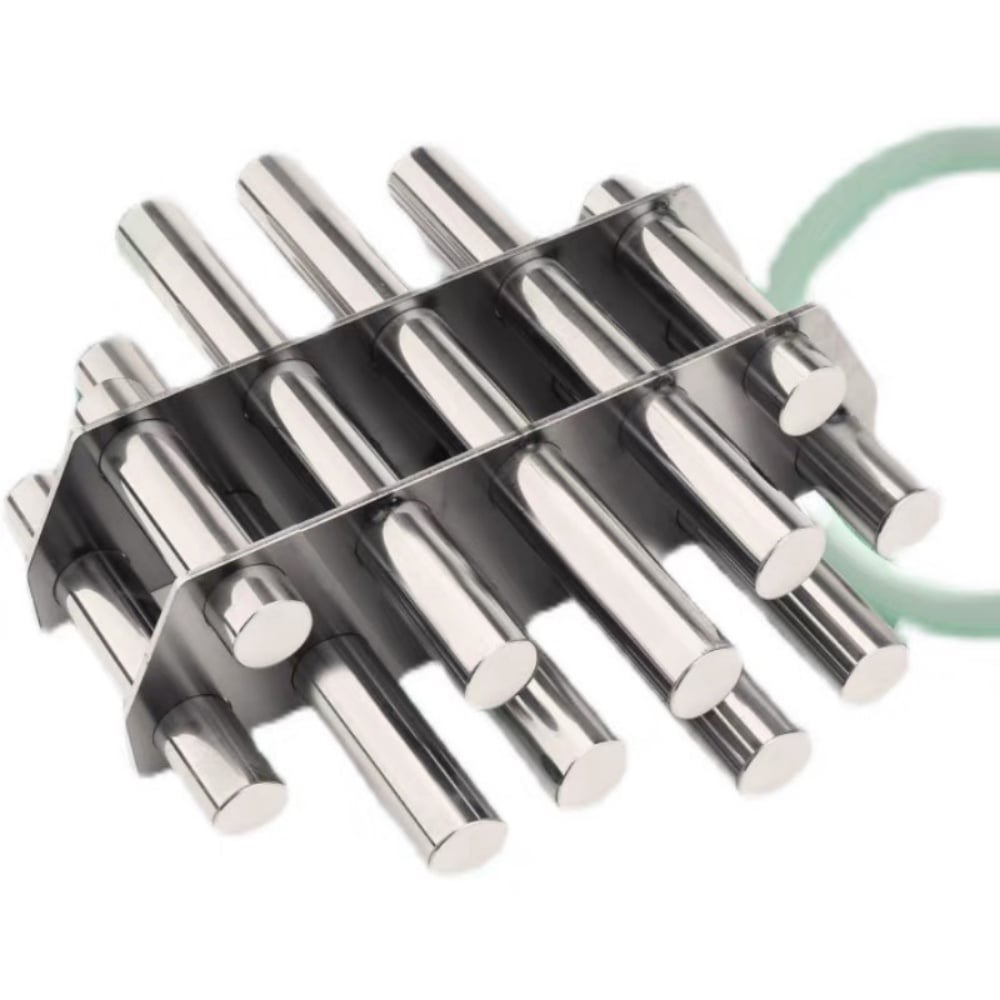
Aside from daily use, magnetic rods are transforming worlds all around the world. In health care, they are applied in machines such as MRI scanners to capture images inside the body. In factories, they facilitate the separation of metal materials from everything else. In the car business, magnetic rods are used to make cars faster. They are revolutionizing the way we do things in many areas, with their powerful magnetic force.
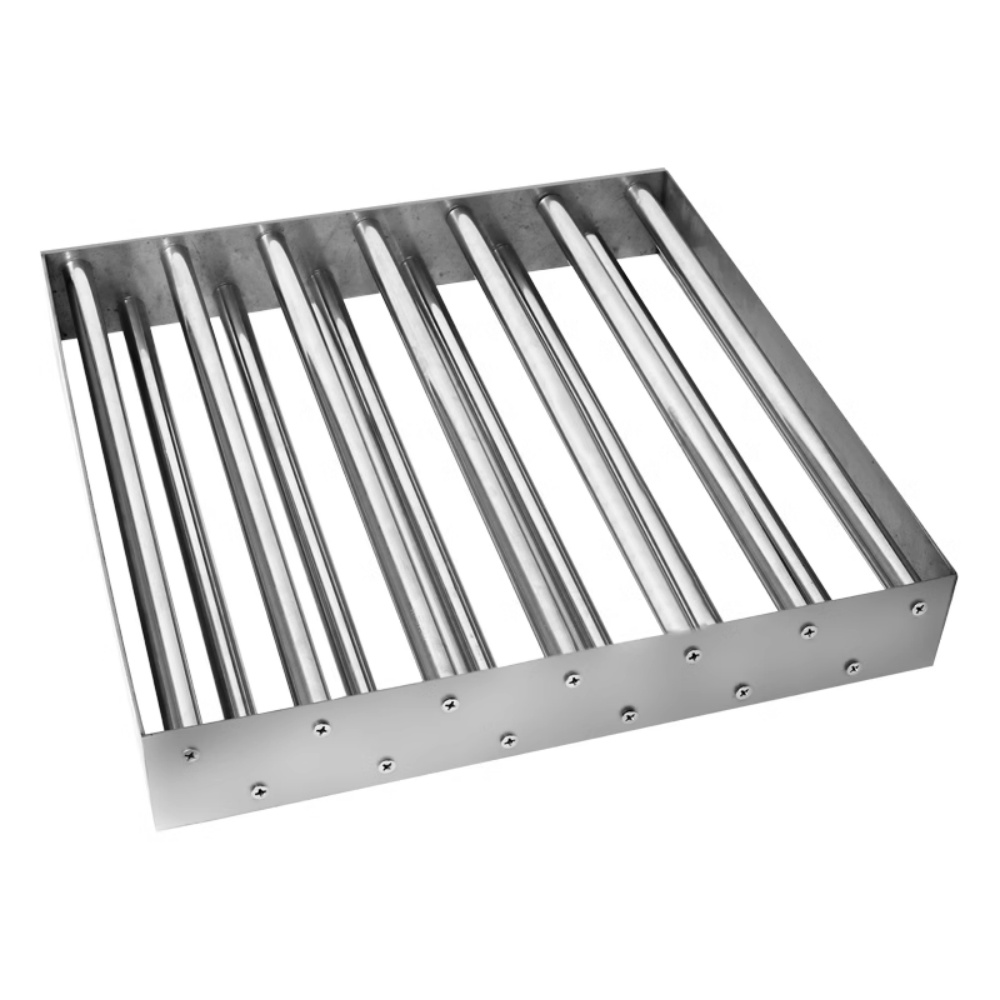
There is a lot to be said for magnetic rods. One is the strength — heavy objects do not break them. This makes them fine for construction, which can support walls and roofs. And they last a long time without becoming weaker magnetically. They work well on a variety of jobs, and for this reason they are a dependable tool. Magnetic rods are also a cinch to work with, and they exist in a variety of shapes and sizes, so they can be useful for many types of projects.
Through strategic cooperation with leading raw material suppliers like Northern Rare Earth and backed by 15 years of magnet manufacturing expertise, we offer stable material sourcing and flexible OEM/ODM services tailored to specific customer designs and applications.
As a national high-tech enterprise with an annual capacity of 10,000 tons, we specialize in a comprehensive range of permanent magnets, including NdFeB, Ferrite, SmCo, AlNiCo, and Flexible Magnets, meeting diverse industrial needs from wind turbines to consumer electronics.
With magnets exported worldwide and used in high-demand sectors such as automotive, medical (MRI), and renewable energy, our experienced R&D team focuses on customer-driven solutions, delivering reliable, cost-effective magnets with strong technical support and application expertise.
Equipped with a state-of-the-art testing laboratory and adhering to ISO9001 and RoHS standards, we implement strict quality controls throughout production, ensuring high corrosion resistance, fine finishing, and consistent performance across all magnet grades.
Copyright © Ningbo Ketai Magnetic Material Co., Ltd. All Rights Reserved
 EN
EN